





























Purpose of using plastic wrap in the food industry:
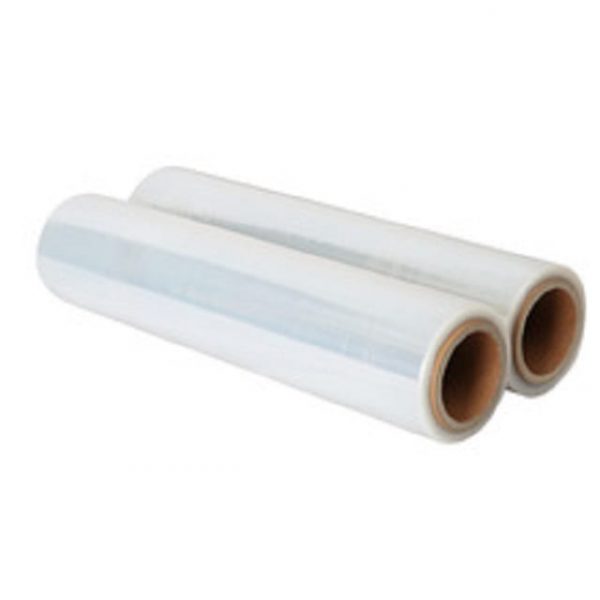
The most important role plastic wrap plays in food packaging is protection and preservation. Plastic wrap can prevent food from perishing, extend its shelf-life, and maintain the quality of food. Plastic wrap generally provides protection for food from 3 aspects: chemical (gases, moisture, and light), biological (microorganisms, insects and animals), and physical (mechanical damage). In addition to food protection and preservation, plastic wrap can also reduce food waste, tag food information, easy the distribution processes, and increase product visibility and microwavability.
Types of plastics in the food industry:
Plastics, along with metal, glass, and paper or paperboard, are major materials used in food packaging. The types of plastics used in food packaging include polyolefins, polyesters, polyethylene terephthalate, polycarbonate, polyethylene naphthalate, polyvinyl chloride, polyvinylidene chloride, polystyrene, polyamide, ethylene vinyl alcohol, and laminates and co-extrusions.
Health concern:
Plastic materials are widely used in the food industry due to its low price and convenience; however, there has been an increased health concern because of the possibility of releasing undesirable chemicals from plastic materials into food products. Plastic packages are made of various materials such as polyethylene, low-density polyethylene and etc. Additives, including lubricants, plasticizers, UV absorbers, colorants, and antioxidants, are added into plastic materials in order to improve the quality and properties of the plastics. Besides, plastic materials are often coated and printed in the final processes, in which inks and varnishes are used. Although the barrier properties of the plastic packages provide protection of foods from external contaminations, the additives and coating materials in the plastic packages are possible to penetrate into foods and cause health-related issues.
“It is true that substances used to make plastics can leach into food,” says Edward Machuga, Ph.D., a consumer safety officer in the FDA’s Center for Food Safety and Applied Nutrition. “But as part of the approval process, the FDA considers the amount of a substance expected to migrate into food and the toxicological concerns about the particular chemical.” A couple of cases have caught media attention in recent years. One case is in regard to diethylhexyl adipate (DEHA). DEHA is a plasticizer, a substance added to some plastics in order to make them flexible. The public concerns about DEHA exposure while consuming food with plastic wraps. There are potentials of exposure to DEHA; however, the levels of the exposure are much lower than the no toxic effect levels in animal studies. Another case is in regard to the dioxins, labeled as “likely human carcinogen” by the Environmental Protection Agency. The public has been misled by the claims that plastics contain dioxins, while Machuga stated that no evidence that shows plastic containers or films contain dioxins was seen by the FDA. Overall the use of plastic wrap in the food industry does not pose danger to human health.